
How to Snake-Proof Your Backyard in Sydney
A complete homeowner's guide — reduce the chances of snakes entering your property with practical strategies from the experts at Snake Catchers NSW.
Can You Really Snake-Proof a Backyard?
The honest answer is no — there is no fence, chemical or device that guarantees snakes will never enter your property. Snakes are remarkably adaptable and can squeeze through small gaps, climb rough surfaces and travel considerable distances.
But you can make your backyard far less attractive. Sydney is home to Eastern Brown Snakes, Red-bellied Black Snakes, Diamond Pythons, Green Tree Snakes and Golden Crowned Snakes — and in almost every case, a snake on your property is simply following food, water or shelter.
The most effective prevention strategy isn't catching snakes — it's removing the conditions that make your property worth visiting.
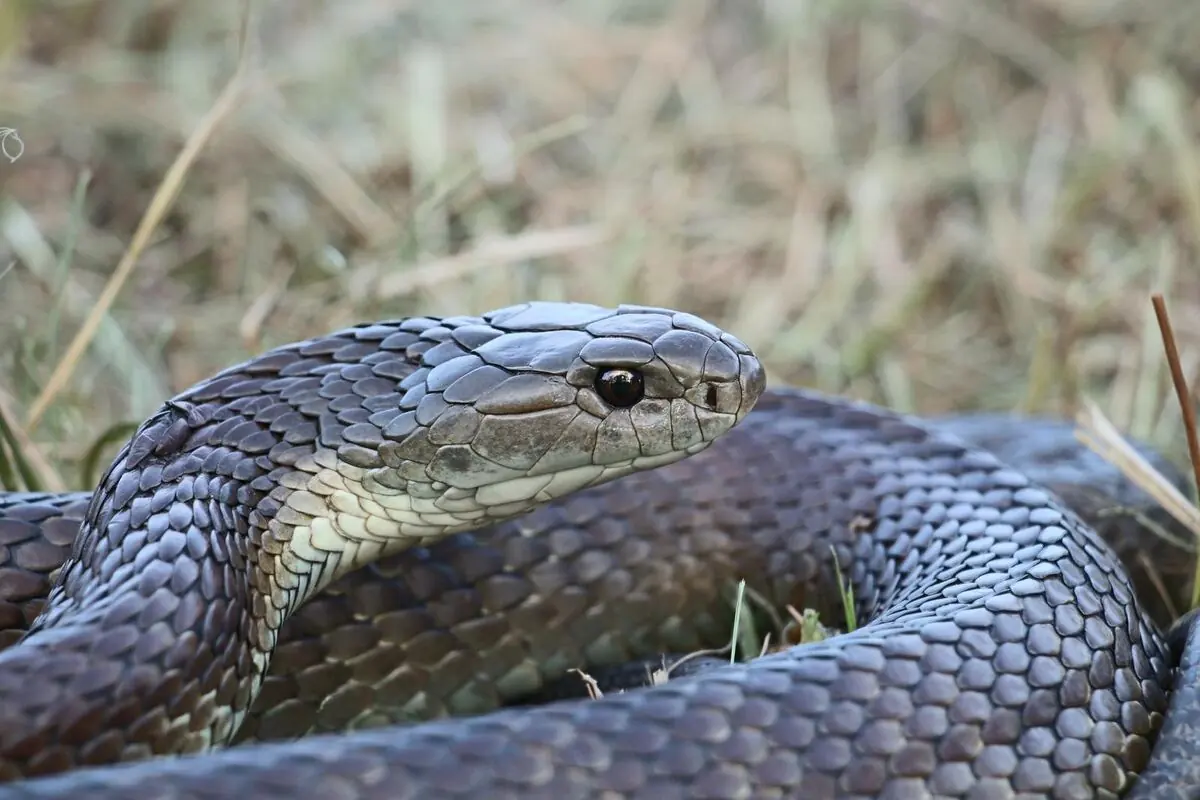
Tiger Snake — a venomous species commonly encountered in Sydney backyards and surrounding bushland. Photo: Snake Catchers NSW.
Why Do Snakes Enter Sydney Backyards?
As Sydney continues to expand into bushland, wetlands and natural reserves, interactions between people and snakes become more common. Snakes don't move into suburbs — the suburbs often move into snake habitat. During warmer months, particularly September through April, activity increases dramatically as reptiles emerge to hunt and breed.
Rodents
Bird seed, pet food, compost and overflowing bins all attract mice and rats. Many homeowners have a rodent problem, not a snake problem — fixing one often fixes both.
Dense vegetation
Long grass, thick hedges, liriope, agapanthus and unmaintained garden beds give snakes safe travel corridors and resting spots out of view from predators.
Water sources
Bird baths, fish ponds, leaking taps, air conditioning runoff, pet bowls and pools all provide drinking water. Water also attracts frogs — a favourite food source.
Shelter & hiding places
Firewood stacks, corrugated iron, old timber, garden sheds, retaining walls, unused pots, tarps and children's cubby houses all create prime snake habitat.
Common Snake Hiding Spots in Sydney Backyards
Snakes spend much of their time avoiding predators. These locations provide stable temperatures and shelter:
Practical Ways to Make Your Backyard Less Attractive
Think of snake prevention as reducing food, shelter and access. The less your backyard offers, the less likely a snake is to stay.
1Keep your lawn short
Long grass is one of the most common places snakes use for cover. Regular mowing removes a key hiding place and makes wildlife easier to spot.
- Mow regularly during spring and summer
- Trim edges around fences and retaining walls
- Keep nature strips maintained
- Slash overgrown paddocks where practical
2Remove garden clutter
Every object on the ground creates potential snake habitat. Walk the yard and look for anything providing dark, cool shelter.
- Remove old timber, corrugated iron and bricks
- Store materials on raised shelving
- Clear children's toys and unused garden pots
- Fold and elevate tarpaulins
3Store firewood correctly
Firewood piles are among the most overlooked attractants — they shelter snakes and attract the rodents, skinks and frogs snakes hunt.
- Store firewood off the ground on a rack
- Position piles away from the house
- Rotate older timber regularly
- Wear gloves when collecting — never reach where you can't see
4Control rodents
If you remove only one attractant, make it rodents. A healthy mouse or rat population can support regular visits from several snake species.
- Store bird seed in sealed containers
- Remove uneaten pet food overnight
- Secure rubbish bins with tight-fitting lids
- Clean up fallen fruit promptly
5Maintain garden beds
Dense gardens create ideal shelter. Thoughtful maintenance helps balance biodiversity with household safety.
- Prune shrubs regularly
- Remove excessive leaf litter
- Thin out dense ground covers
- Create open spaces between large plantings
6Secure sheds and under-house areas
Dark, quiet spaces are highly attractive to snakes. Inspect these areas regularly and seal unnecessary gaps while maintaining ventilation.
- Check garden sheds, garages and under decks
- Seal gaps beneath sheds and pool pump enclosures
- Keep vegetation away from these structures
- Inspect before reaching inside
Retaining Walls, Rock Gardens and Swimming Pools
Retaining walls
Retaining walls are one of the most common places professional snake catchers locate snakes. The gaps provide stable temperatures, shelter from predators and access to skinks and rodents. Keep vegetation trimmed, avoid storing timber nearby and regularly inspect accessible areas. If you repeatedly see snakes around a wall, arrange a professional inspection.
Swimming pools
Snakes occasionally enter pools while travelling through the yard — not because they seek a swim. However, the surroundings matter: dense pool gardens, rock landscaping, frog populations and warm paved surfaces all increase the likelihood of encounters. Keep pool surrounds tidy and free from clutter.
If you find a snake in your pool — keep everyone away from the water. Do not attempt to net it. Monitor from a safe distance and call a licensed catcher if it cannot leave safely.
Protecting Children and Pets
Children's play areas
Check regularly around cubby houses, sandpits, trampolines, swing sets and toy boxes. Keep grass short around play areas and teach children never to place their hands under objects without looking first.
Pets
Dogs are involved in many snake encounters every year because of their curiosity.
- Keep yards tidy and avoid dense vegetation near pet runs
- Supervise dogs during periods of high snake activity
- Keep cats indoors where practical
- Learn the signs of snake bite in animals — seek immediate vet treatment if suspected
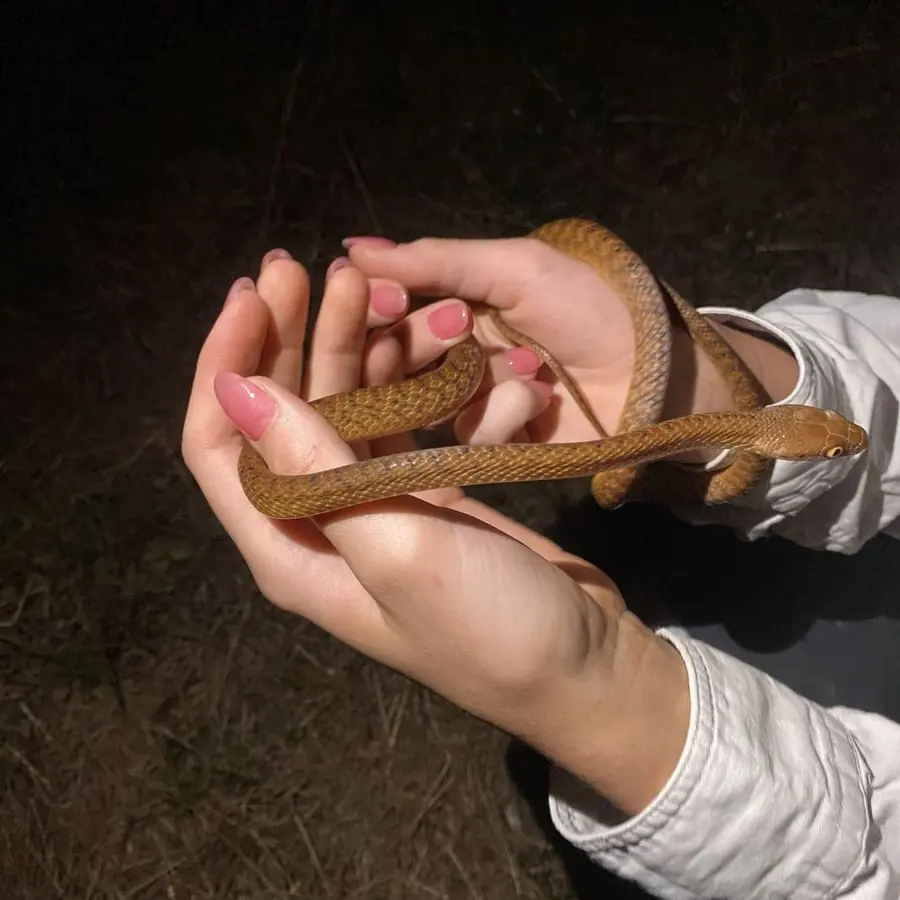
Not all snakes are dangerous — but all should be handled only by a licensed professional. Photo: Snake Catchers NSW.
Seasonal Snake Prevention Tips for Sydney
🌸 Spring (Sep–Nov)
Peak snake season begins. Snakes emerge to bask, hunt and breed.
- Mow overgrown lawns before activity peaks
- Remove winter garden clutter
- Inspect sheds and garages
- Trim dense shrubs and hedges
- Check for rodent activity
☀️ Summer (Dec–Feb)
Busiest period for sightings. Snakes most active in early morning and late afternoon.
- Keep lawns maintained
- Remove fallen fruit promptly
- Inspect around pools and entertaining areas
- Stay alert when gardening in long grass
🍂 Autumn (Mar–May)
Snakes continue feeding before winter. Maintain vigilance.
- Clear leaf litter and garden debris
- Tidy compost areas
- Inspect firewood storage
- Monitor for rodent activity
❄️ Winter (Jun–Aug)
Activity slows but snakes can still emerge on warm days, especially in sheltered Sydney spots.
- Use winter to prepare for next season
- Audit hiding places while snakes are less active
- Seal gaps and reduce clutter now
Common Snake Prevention Myths
Myth: Snakes chase people
Truth: Snakes do not hunt humans. If a snake moves towards you, it's trying to escape or reach nearby cover.
Myth: You can smell a snake
Truth: Musty odours are usually damp areas, mould or other animals. There is no reliable way to detect snakes by scent alone.
Myth: Snake repellent products work
Truth: No commercially available spray, granule or ultrasonic device is proven to reliably repel Australian snakes. Good maintenance is the only effective strategy.
Myth: Killing snakes solves the problem
Truth: Snakes are protected under NSW law. Killing one is illegal in almost all circumstances — and another will move in if the attractants remain.
Myth: Fake owls keep snakes away
Truth: There is little evidence decorative predators help. Wildlife quickly becomes accustomed to stationary objects.
What to Do If You Find a Snake
Even the best-maintained backyard may occasionally receive a snake visitor. If you see one:
- 1Stay calm and keep your distance
- 2Keep children and pets well away
- 3Do not attempt to catch, kill or disturb it
- 4Watch from a safe distance if possible
- 5If it cannot safely leave, contact a licensed snake catcher
Many snakes move on naturally if left undisturbed. However, if a snake is inside a home, garage, school or workplace, professional removal is always the safest option.
Related Articles
Frequently Asked Questions
QWhat attracts snakes into backyards?
The most common attractants are rodents, frogs, water sources, long grass, dense vegetation and sheltered hiding places such as wood piles, sheds and retaining walls.
QDoes mowing the lawn keep snakes away?
Keeping your lawn short removes valuable cover and makes your yard less attractive, but it does not guarantee snakes will never enter. It's one useful tool among several.
QCan snakes climb fences?
Yes. Several Australian species are capable climbers and can scale rough surfaces, timber fences, masonry walls and vegetation. No fence alone can snake-proof a property.
QDo fake owls or fake snakes work?
Little evidence supports this. Wildlife quickly becomes accustomed to stationary objects, making them ineffective within days or weeks.
QShould I block every hole in my yard?
It's good practice to seal unnecessary gaps beneath sheds, decks and buildings where practical, but reducing food and shelter is generally far more effective than trying to seal an entire property.
QIs it safe to remove a snake myself?
No. Attempting to capture or kill a snake greatly increases the risk of being bitten. Keep your distance and contact a licensed snake catcher if the snake poses a risk.
Final Thoughts
While no backyard can ever be completely snake-proof, good property maintenance goes a long way towards reducing unwanted encounters. Keeping your lawn short, controlling rodents, removing clutter and eliminating unnecessary shelter creates an environment far less appealing to snakes.
If you do come across a snake, remember it is simply a native animal trying to survive. Give it space, keep people and pets away, and contact a licensed snake catcher if assistance is needed.
Preventing snake encounters is always easier than dealing with one after it has settled into your property.
Related Articles
Need a snake catcher in Sydney or anywhere in NSW?
Whether you've found a snake in your backyard, garage, roof, pool or rural property — Snake Catchers NSW connects you with a licensed, experienced catcher in your area. We also offer property inspections and practical advice to help identify the conditions attracting snakes to your home.
Book Online — 10% Off