
Eastern Brown Snake
Pseudonaja textilis
Australia's most dangerous snake — responsible for more human deaths than any other species. Found across all of NSW. Never approach. Call immediately.
0428 458 856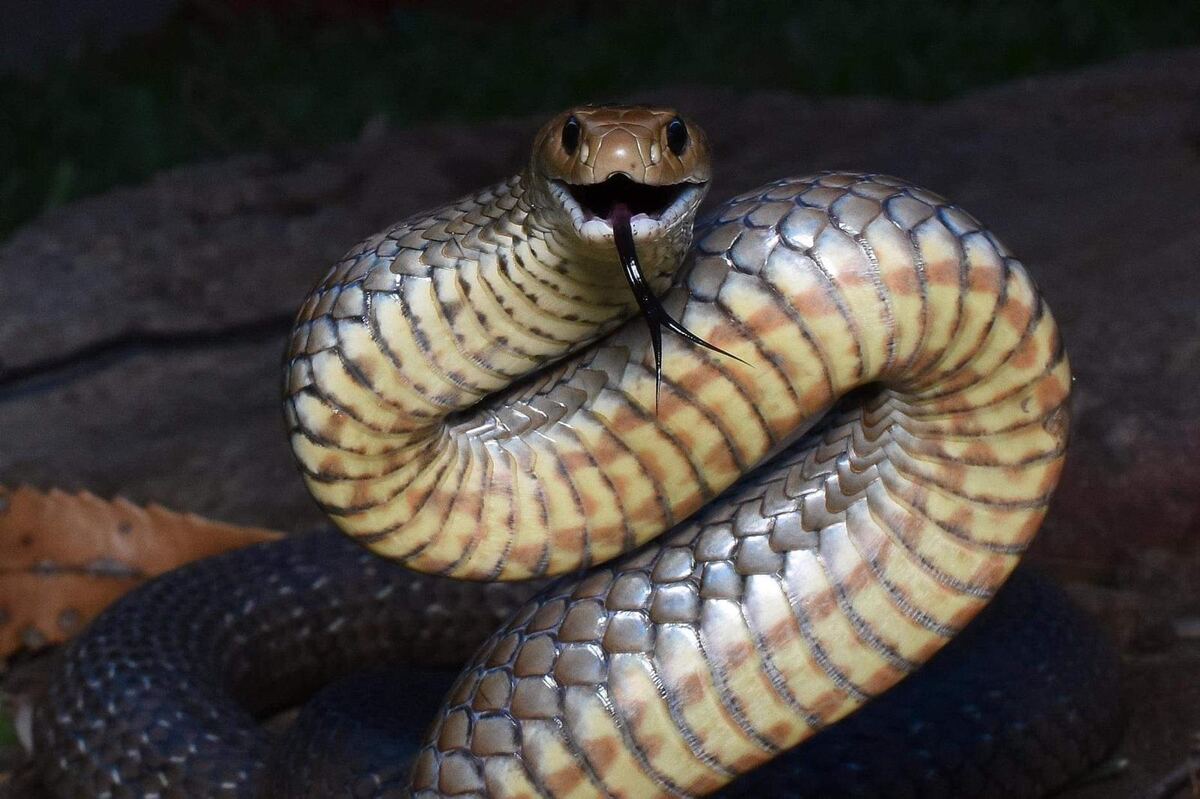
Scientific Name
Pseudonaja textilis
Average Length
1.5 – 1.8 metres
Venom Type
Neurotoxic & Procoagulant
Activity
Daytime (Diurnal)
Identification
Eastern Brown Snakes are highly variable in appearance, which makes them difficult to identify with certainty:
- Colour: Ranges from pale tan, orange-brown, or chocolate brown to very dark brown or near-black. Some have faint banding. Belly is cream to yellow-orange, sometimes with orange or grey blotches.
- Size: Adults typically 1.5 to 1.8 metres. Large individuals may reach 2 metres or more.
- Build: Slender and streamlined with a narrow, rounded head barely distinct from the neck.
- Juveniles: Hatchlings have a distinctive black head with a pink band behind it and body banding, which fades with age.
- Eyes: Orange-brown iris, round pupil.
⚠️ Do not attempt to identify before acting — treat any brown snake as dangerous. Keep your distance and call 0428 458 856.
Habitat & Distribution in NSW
Eastern Brown Snakes are one of the most widely distributed snakes in NSW and are found in virtually every region:
- Open grassland, pasture, and farmland — especially near rodent populations
- Suburban gardens, parks, and golf courses
- Scrubland, woodland edges, and dry forest
- Coastal heath and escarpment areas
- Agricultural land and irrigated properties
Commonly reported across Greater Sydney, Western Sydney, the Hawkesbury, Hunter Valley, Central Coast, Illawarra, Southern Tablelands, and far inland NSW.
Behaviour & Diet
Behaviour
- Fast-moving, highly alert, and quick to react when threatened
- Will rear up and flatten its neck in a distinctive S-curve threat display
- Actively forages during the day; may be active at dusk in hot weather
- Fiercely defensive if cornered — may strike repeatedly
- Egg-laying (oviparous) — clutches of 10–35 eggs in summer
Diet
- Mice, rats, and small mammals (primary food)
- Lizards and skinks
- Frogs
- Small birds and bird eggs
- Other snakes
Venom & Bite Effects
Eastern Brown venom is among the most potent of any land snake globally. It is neurotoxic (attacks the nervous system) and procoagulant (causes uncontrolled clotting leading to internal bleeding). Bites can be fatal within minutes without treatment.
Bite Symptoms May Include:
- • Sudden collapse or loss of consciousness
- • Rapid onset paralysis
- • Uncontrolled bleeding (coagulopathy)
- • Kidney failure
- • Cardiac arrest
- • Minimal pain at bite site — bites often painless
If Bitten — Act Immediately:
- • Call 000 immediately — do not wait for symptoms
- • Apply pressure immobilisation bandage
- • Immobilise the bitten limb completely
- • Do NOT wash the bite site (venom ID needed)
- • Do NOT apply tourniquet
- • Do NOT cut or suck the wound
Eastern Brown antivenom is available at major NSW hospitals. Time is critical — do not delay seeking emergency care.
Found an Eastern Brown Snake?
Keep Distance
Stay at least 5 metres away. Do not corner it.
Secure the Area
Keep children, pets, and others away immediately.
Observe Safely
Note its location from a safe distance if possible.
Call Us Now
Licensed removal only. Call 0428 458 856.
Legal Protection in NSW
All native snakes including the Eastern Brown Snake are protected under the Biodiversity Conservation Act 2016. Killing, harming, or relocating a snake without an NPWS licence is illegal.
NPWS Licensed: Licence #MWL000103684 — Snake Catchers NSW operates fully within NSW wildlife legislation.
Frequently Asked Questions
Is the Eastern Brown Snake the most dangerous snake in Australia?
Yes — the Eastern Brown Snake is responsible for more human deaths in Australia than any other snake. It has highly potent venom and is commonly found in suburban and rural areas across NSW.
What does an Eastern Brown Snake look like?
Eastern Browns vary considerably — from pale tan to very dark brown, sometimes almost black. Juveniles often have distinctive banding. Adults have a slender build and a narrow head barely distinct from the neck.
Where are Eastern Brown Snakes found in NSW?
They are found across most of NSW including Greater Sydney, Western Sydney, the Central Coast, Hunter Valley, Southern Highlands, and inland regions. They favour open grassland, farmland, suburban gardens, and bushland edges.
What should I do if I see an Eastern Brown Snake?
Keep at least 5 metres away. Do not approach, corner, or attempt to catch it. Keep children and pets away and call a licensed snake catcher immediately on 0428 458 856.