
If a snake has been removed from your home, backyard, roof, shed or property, you may wonder what happens next. How far is it taken? Will it come back? Is there a set distance before it can be released?
In NSW, relocation is not simply a matter of driving as far away as possible. Licensed reptile handlers work under conditions intended to balance public safety, animal welfare and the ecological needs of the snake.
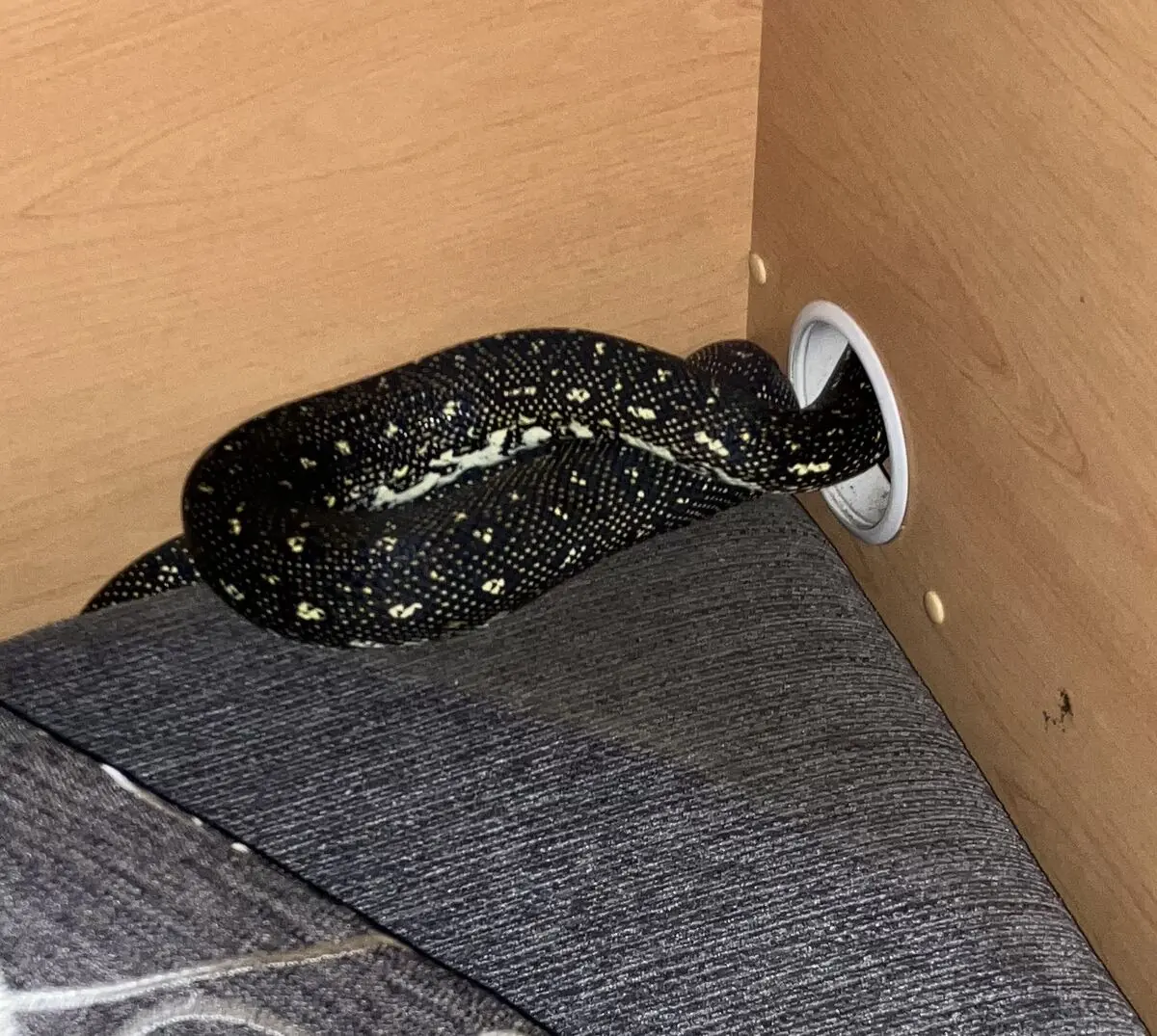
The short answer: up to 10 kilometres
For licensed snake catch-and-release work in NSW, snakes and monitors must be released within 10 kilometres of where they were captured, within the species' natural distribution and as far away from human occupation as possible.
The 10-kilometre limit is a maximum, not a requirement to drive every snake exactly 10 kilometres. Handlers should also release where possible out of sight of the public and keep records of reptiles caught and where they were released.
Does every snake get moved 10 kilometres?
No. A suitable release location may be considerably closer if it provides appropriate habitat and is away from people. The number on the odometer is less important than whether the release site gives that particular snake a realistic opportunity to behave naturally.
Why habitat matters more than distance
A location 15 kilometres away may be unsuitable urban development, while a site 5 kilometres away may contain vegetation, shelter, prey and fewer people. Eastern Brown Snakes, Red-bellied Black Snakes, Diamond Pythons and Tiger Snakes do not all use the landscape in the same way.
Why long-distance relocation can be harmful
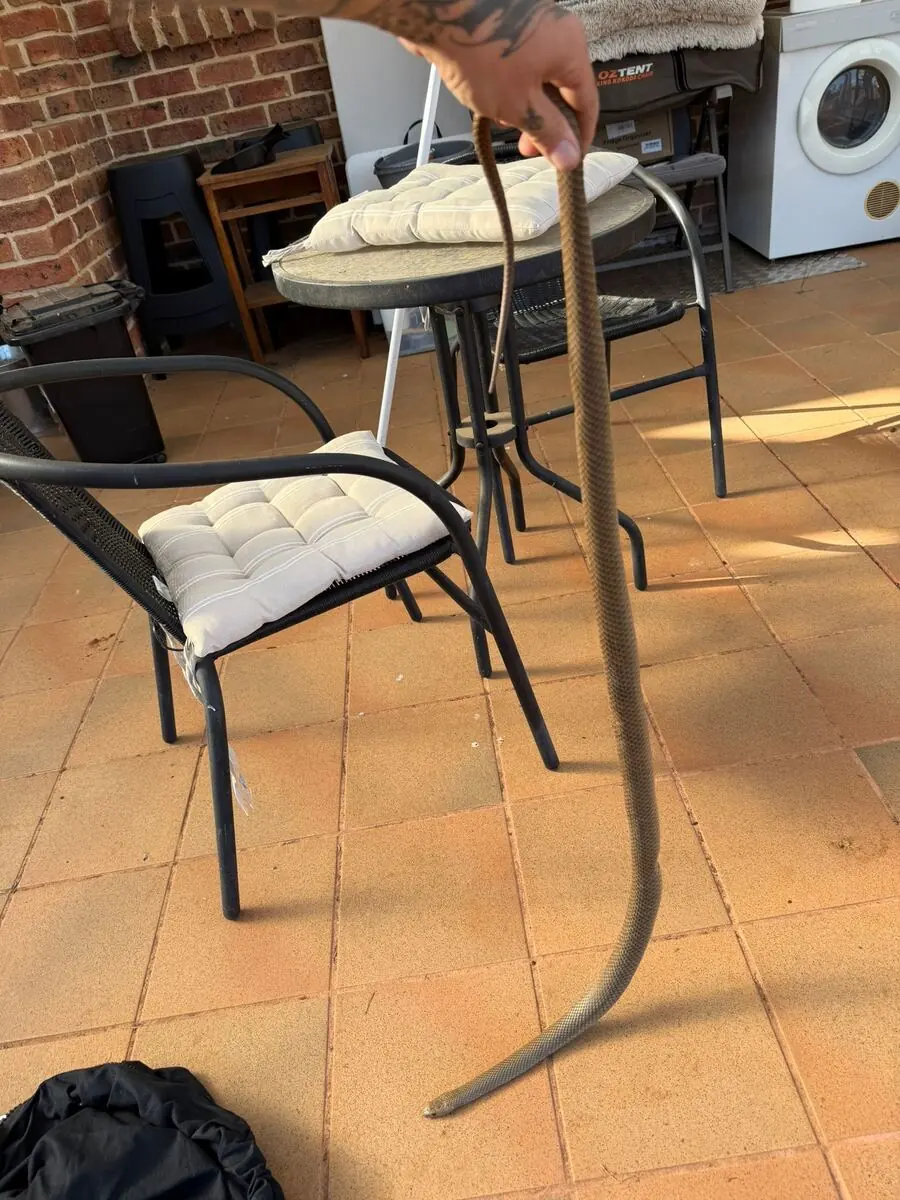
Snakes are not disposable objects that can be transported to an unfamiliar location without consequences. They may need to locate shelter, water, prey and suitable temperatures, and some show strong site fidelity. Research into urban-adapted dugites found translocated snakes had larger activity ranges and very high mortality, including deaths from predation and vehicle strikes.
This does not mean every relocated snake will die. It does show why responsible relocation is more complicated than choosing the furthest release point.
Can a relocated snake find its way back?
A snake may move considerable distances after release, but relocation does not mean it will necessarily return to the property where it was captured. Movement differs between species and individuals. Research on broad-headed snakes in the Sydney region found seasonal and sex-related differences, recorded movements of up to approximately 780 metres in some individuals and strong site fidelity in many adults.
The purpose is not to guarantee the animal never moves again. It is to resolve the immediate human-wildlife conflict while releasing it where it has a reasonable opportunity to survive and behave naturally.
What happens after release?
A healthy snake may initially remain concealed after capture, transport and release. This is normal. Depending on the species, weather and time of day, it may move into:
Snakes are ectothermic, so temperature affects their activity. A snake released in cool conditions may behave very differently from one released on a warm summer day.
Why can't a snake be released anywhere in the bush?
Not all bushland is suitable habitat. A location that looks wild from a road may still be surrounded by houses, walking tracks, schools, sporting grounds, playgrounds, roads or industrial areas. The wider landscape must be considered so the snake is not immediately placed in another person's backyard or a heavily used public area.
What about national parks?
A national park may seem like an obvious release location, but licensed handlers cannot assume any national park is available. NSW licence conditions state that the local NPWS Area Manager is to be consulted before releasing reptiles into NPWS-managed areas. The site must be suitable, lawful and appropriate for the species.
What does NSW law require?
Snake catch-and-release work in NSW is regulated. A biodiversity conservation licence can authorise handlers to catch and release reptiles from residential and commercial properties. The published conditions require snakes and monitors to be released within 10 kilometres, within their natural distribution and as far away from human occupation as possible.
Venomous reptiles must be transported in a locked, escape-proof container. Licensed handlers also need appropriate first-aid qualifications and snake-bite first-aid equipment. Licence conditions can change, so current NSW Government requirements should always take priority over old advice online.
Why professional relocation matters
Safe relocation requires more than knowing how to pick up a snake. A licensed handler needs to understand:
What should you do if you find a snake?
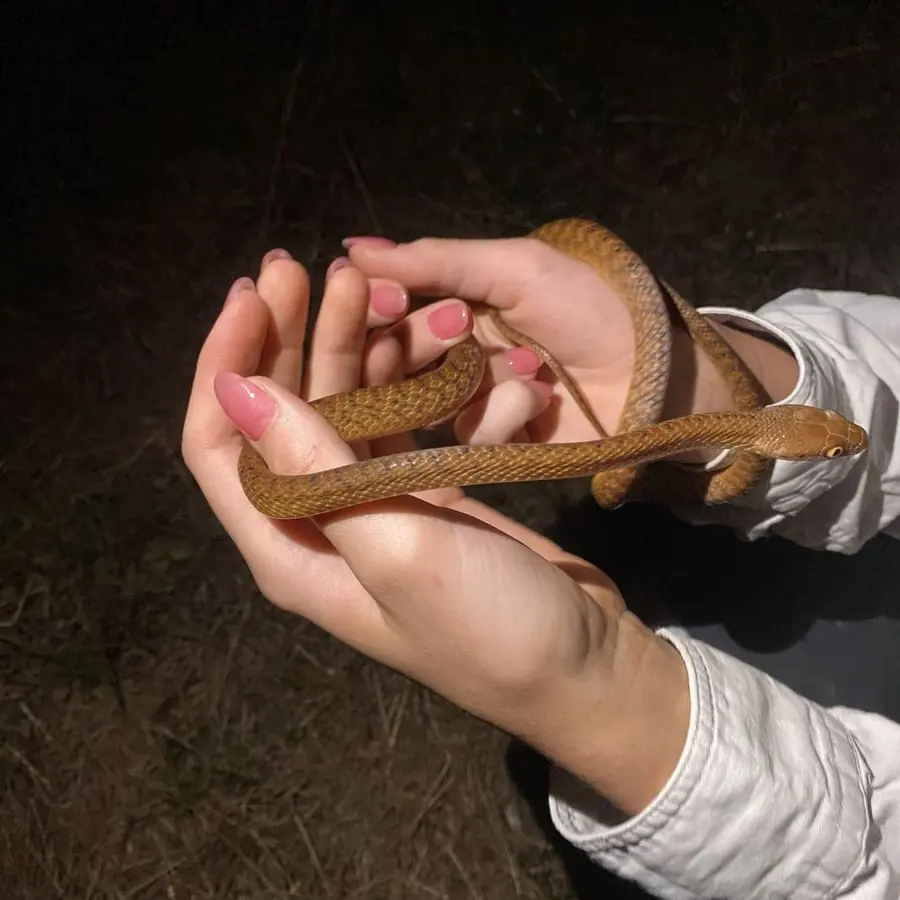
If a snake is inside your house, garage, shed, roof cavity or backyard, do not catch, kill or corner it. Keep children and pets away, close internal doors only if safe, and contact a local licensed reptile handler. Do not risk getting closer to photograph or identify it.
Frequently Asked Questions
How far away can a snake be relocated in NSW?
For licensed snake catch-and-release work, snakes and monitors must be released within 10 kilometres of where they were captured, within their natural distribution and as far away from human occupation as possible.
Is every snake taken exactly 10 kilometres away?
No. Ten kilometres is a maximum under the published licence conditions, not a target distance. A closer release site may be more suitable if it provides appropriate habitat and is away from people.
Can a relocated snake come back?
A snake may move after release, but that does not mean it will return to the original property. Movement varies between species and individuals, and release is intended to resolve the immediate conflict while giving the animal a reasonable chance to survive.
Can a snake be released in any bushland or national park?
No. The location must be suitable, lawful, within the species' natural distribution and away from human occupation. NPWS-managed areas require consultation with the local NPWS Area Manager before release.
Why is long-distance relocation not always better?
Moving a snake far from familiar shelter, prey, temperatures and landscape can increase movement and expose it to predators, vehicles and other unfamiliar hazards.
Need a Snake Safely Relocated?
Licensed handlers · Safe humane removal · Available across NSW
0428 458 856Book OnlineAvailable 24/7 across NSW